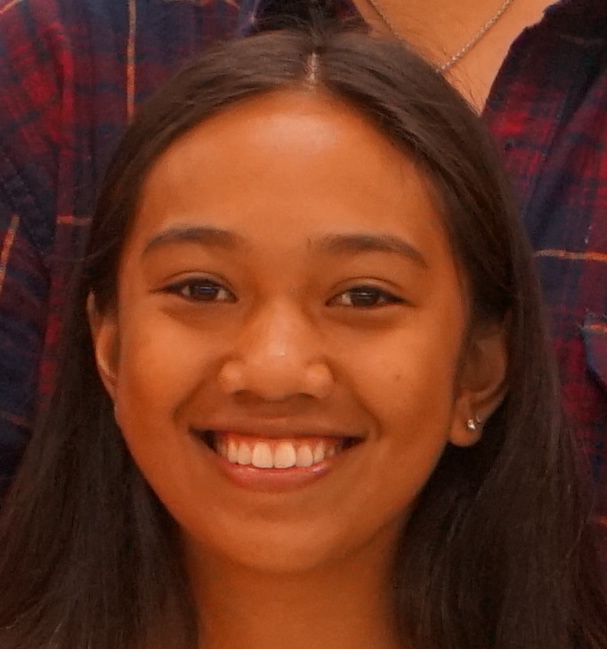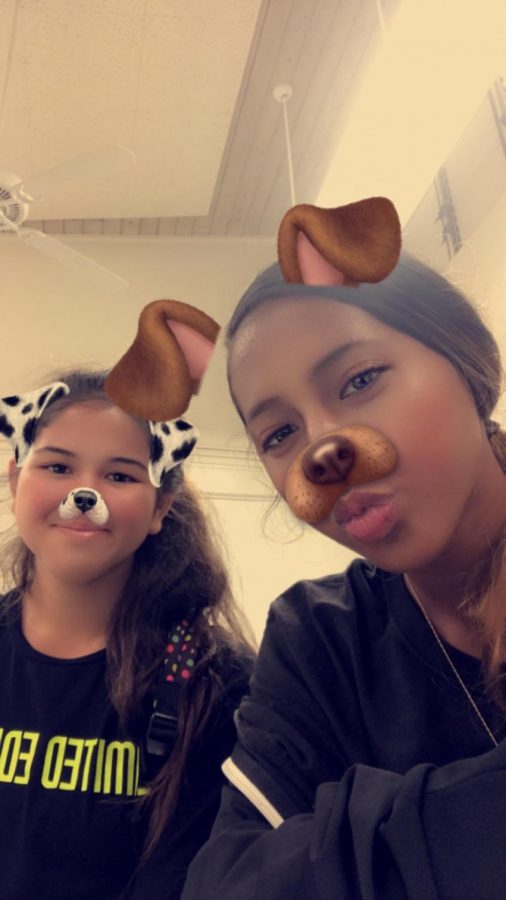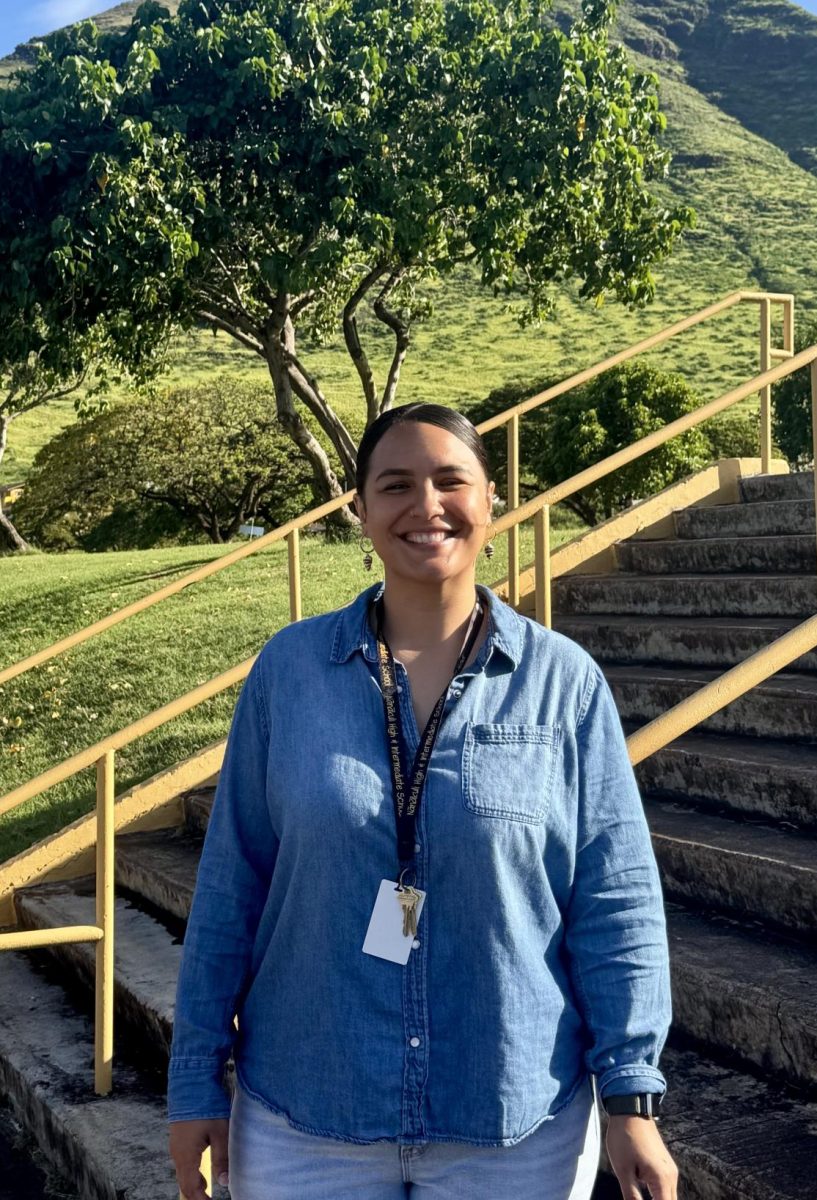

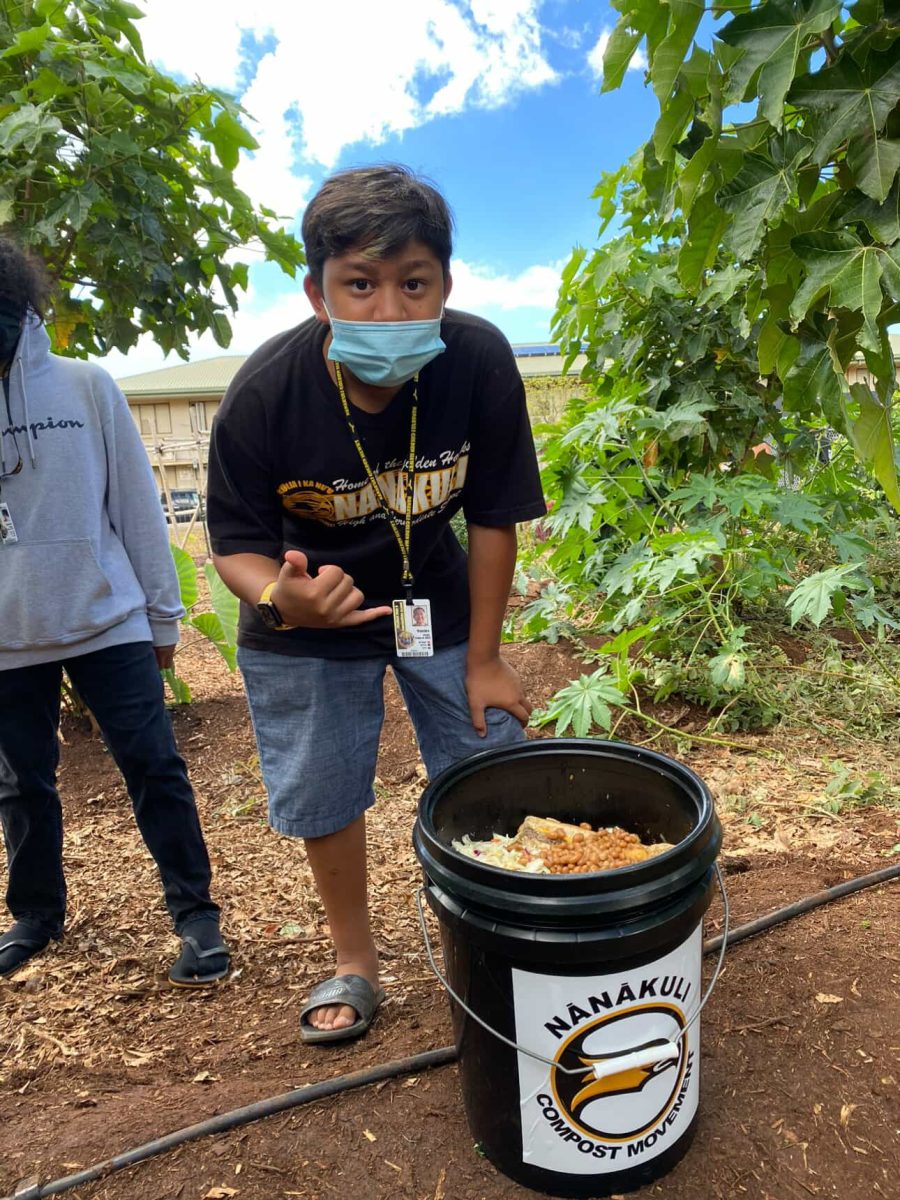
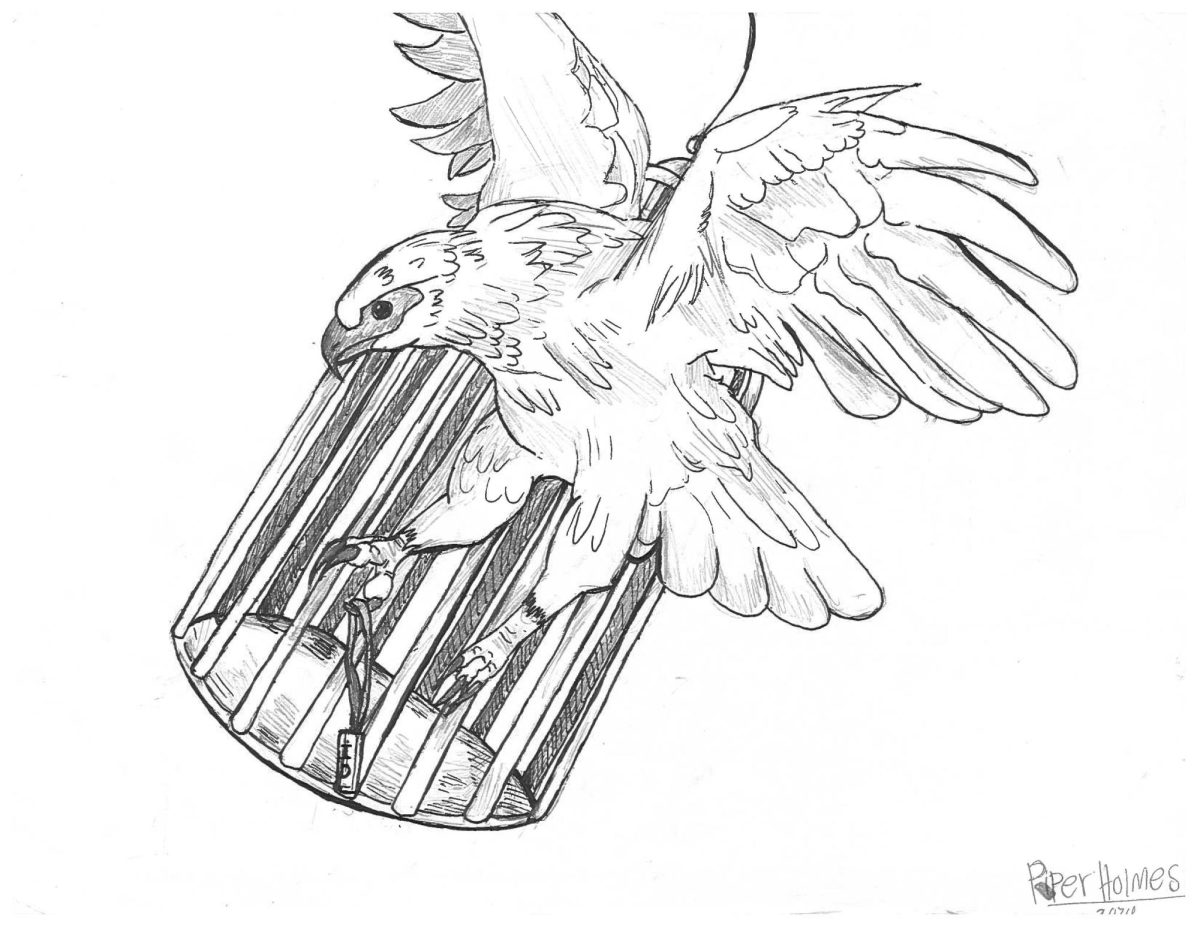


Being part of the first Ho’opulapula Academy pilot group was something I never expected, but looking back, it became one of the most meaningful experiences I had at NHIS. I joined without really knowing what I was signing up for, especially during a time when the world felt uncertain. Another peer from the pilot group, Senior Helea Rabacal, felt the same way. She told me she didn’t really know what to expect either. She said, “I didn’t even know I was joining a program. My mom just signed me up because she thought it was best for me. I came from private school my whole life, so going from indoor classes to working outdoors was a huge difference.” I was new to campus and honestly a little scared, but saying yes to Ho’opulapula opened the door to a way of learning I had never experienced. I did not know it then, but those early days in the mala shaped how I see the world, how I learn, and the kind of person I want to become.
My Background With Ho’opulapula
I first heard about the academy when my mom and I came to campus to pick up my laptop for distance learning. A staff member she knew stopped her and encouraged her to sign me up. I was nervous because I had just moved up to NHIS and barely knew where anything was, but I decided to try it anyway. At first, everything was online, but our group was lucky enough to be hybrid (half online, half in person). We started virtual while our Kumu planned how we could safely come onto campus to begin building our mala.
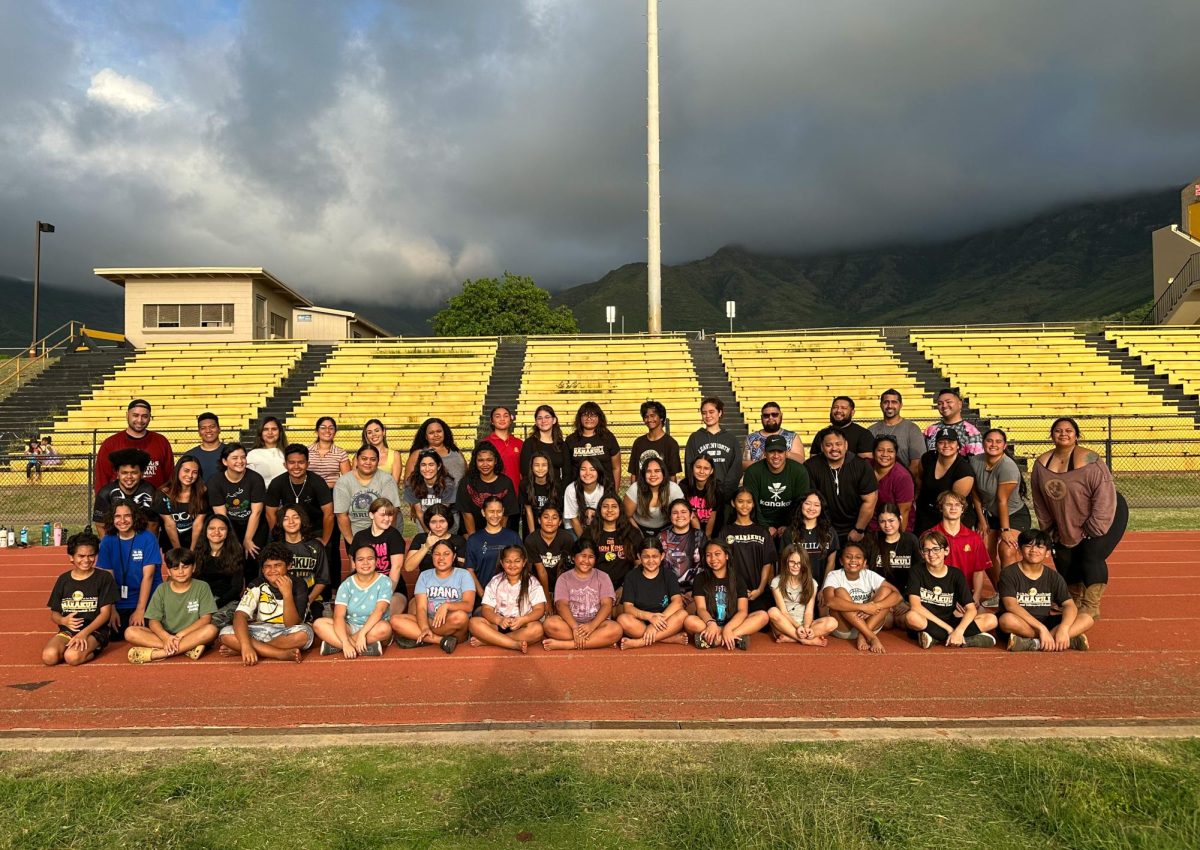
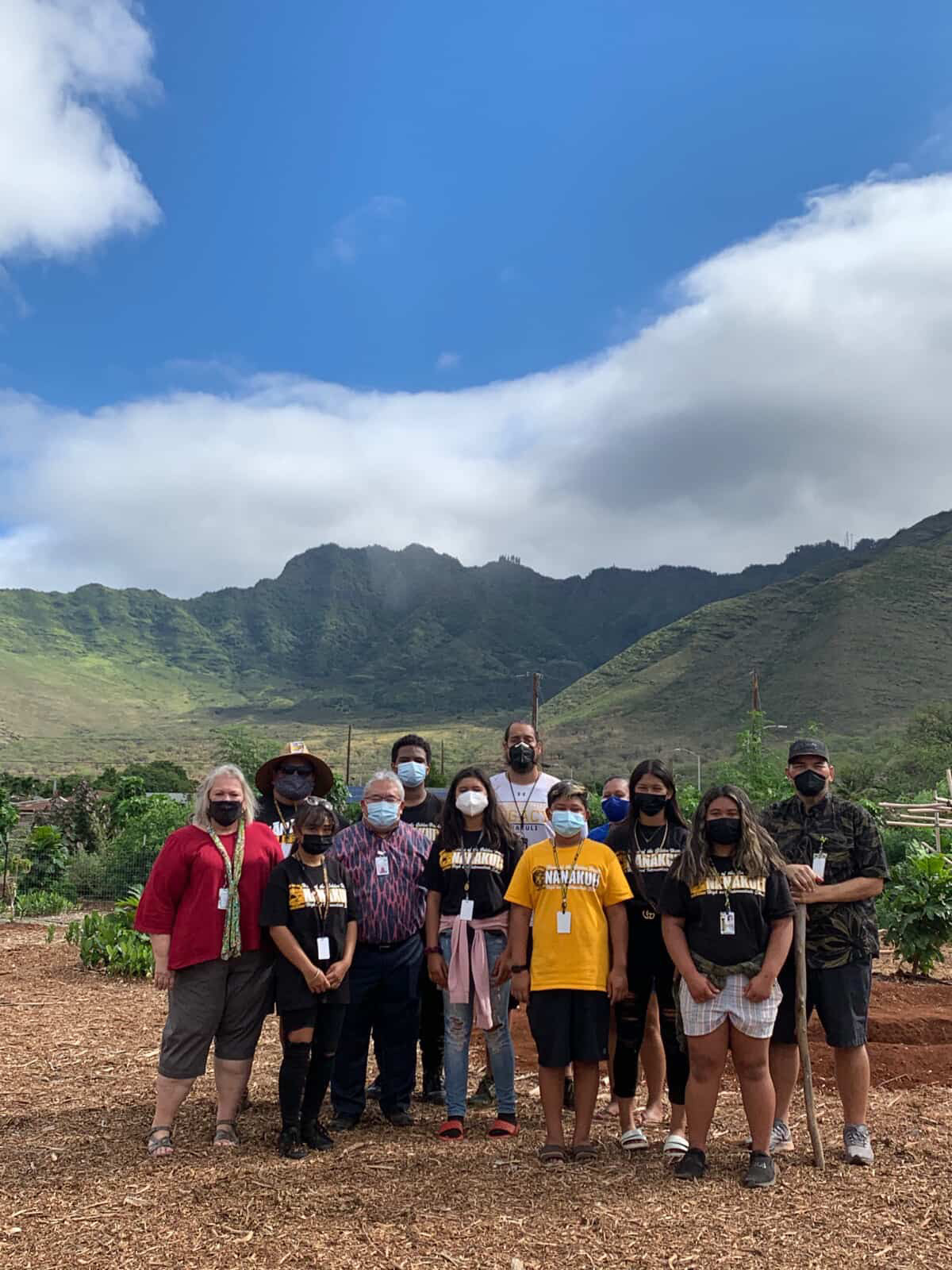
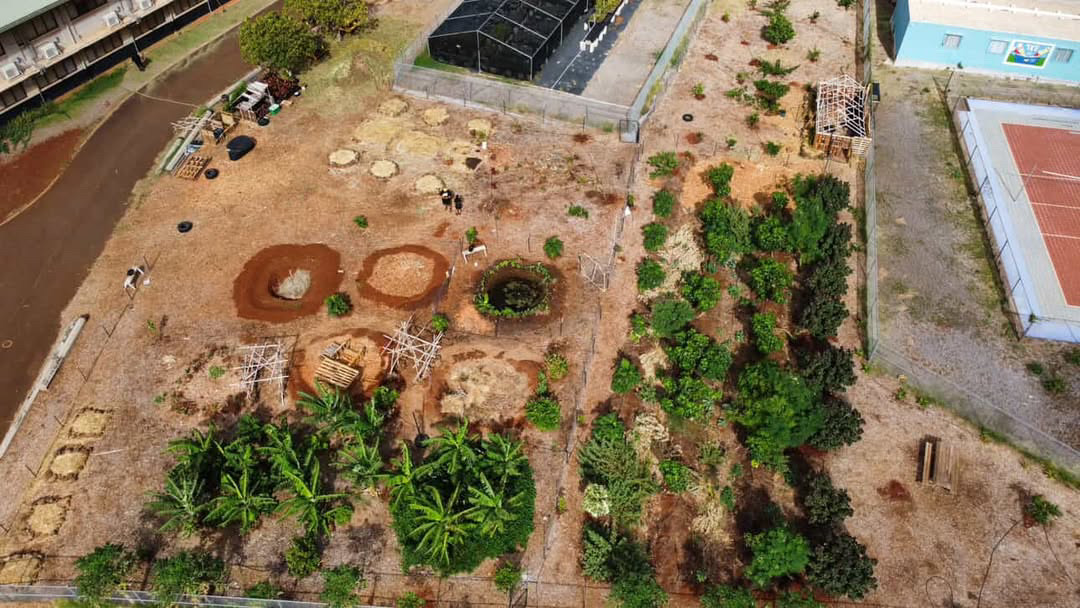
When we finally came in person, there were about fourteen of us. We stood on bare ground with nothing on it. That empty space was supposed to become our mala. Thinking about it now still feels unreal, because today it is a thriving, flourishing farm. I feel proud knowing I was part of the first group that built all of that from nothing. Helea said it best: “Every time I drive past Nanakuli Ave and see behind D Building, I get so impressed like, ‘Wow, we really did that. We were the ROOTS of what Ho’opulapula has become now.’” Not everyone gets the chance to leave behind something that lasts at their school. I still feel humbled and very privileged to help start something that future students get to learn from.
What We Did and What I Learned
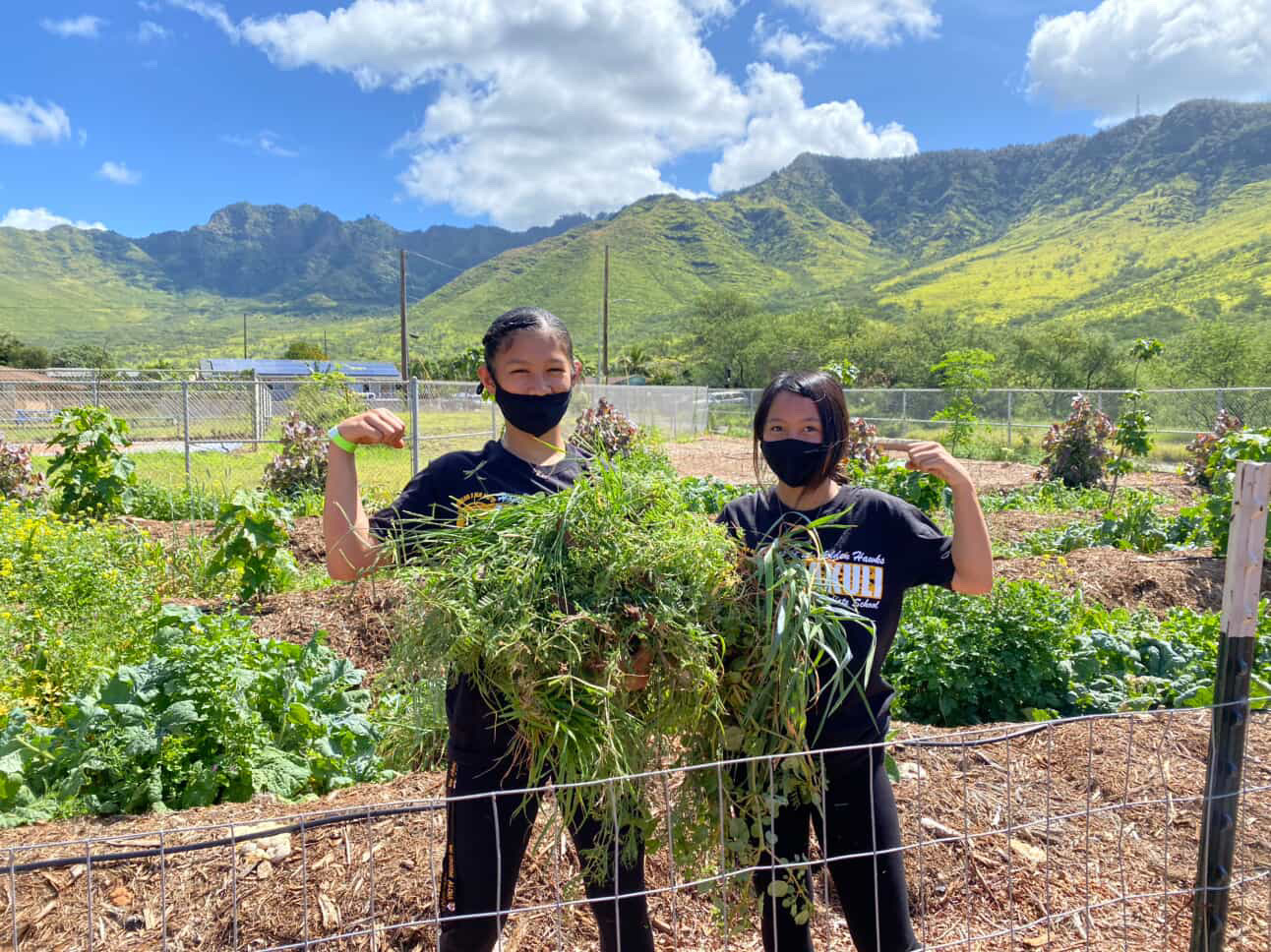
The first stages of building the farm were the hardest. We had to learn the basics and do a lot of physical work. One of the biggest jobs was sheet mulching, where we laid cardboard on the ground and covered it with mulch to create healthy soil. Community partners helped by dropping off truckloads of mulch, which we spread across the mala. We also worked with the Olelo Hawaii program to learn Bokashi composting, which taught us sustainable and traditional ways to care for the aina.
We learned farming methods from other cultures too. One of my favorite memories was building chinampas, which are floating gardens. We turned a muddy hole into a chinampa by weaving trees into a wall, filling it with soil and mulch, planting seeds, and then filling the rest of the hole with water.
All of this was happening during a pandemic, and we had to do the work while wearing masks in the hot sun. We could not be in the mala every day because of safety rules, so everything took longer. Even with all of that, we still created an entire farm from the ground up.
I will never forget building our heiau and mala compass. We used pohaku that we collected from around campus. We loaded them into trucks and built the structure by hand without cement. The fact that it still stands makes me proud every time I think about it.
We also worked with Lili’uokalani Trust and learned from Kumu Leialoha Kekauoha Masoe and Uncle Louis Moon Kauakahi. They taught us protocol, the history of our moku, and stories about our place from Nanakuli to Kaena Point. Learning from someone who was part of the original Makaha Sons felt like a huge privilege.
What Ho’opulapula Taught Me
Ho’opulapula taught me how important teamwork is. Nothing we built could have happened with only one person. Everything in our mala is the result of people working together and trusting each other. That is one of the biggest lessons I took with me into high school.
Helea, talked about how much the program shaped her. She told me, “It took a lot of discipline, hard work, and effort. We were basically babies at the time, and now that I’m older, I can see how much I’ve grown. I used to get into a lot of trouble back then, and Ho’opulapula really helped change that. Even when I messed up, the Kumus were always trying to guide me. One time I got caught vaping in class, and Coach Devin told my mom. Yeah, I got punished, but he was only looking out for me. Moments like that really changed my life for the better.”
Another student from the first group, Senior Cassidy Amaral-March described it perfectly when she said, “My favorite memory about the Ho’opulapula Academy was always being in the mala and enjoying each other’s laughter. I liked that we spent time together getting our hands dirty and not being stuck in the classroom on computers.”
I agree with her. The connection we built with each other made the work feel meaningful.
How It Shaped My Future
Being in the academy changed the way I think and learn. I realized I learn best by doing things and being outside. It made me more aware of my impact on the ʻāina and showed me how important it is to care for the land. Before Ho’opulapula, I never really thought about sustainability, but now it’s something I take seriously. My mindset shifted about our food sources. My Kumu once told me that one day the barges might stop coming, and then how would we provide for our families if everyone is trying to fish in the same place? That stuck with me and pushed me to think more deeply about the future of my culture, my home, and my people.
Helea shared a similar feeling. She told me that even though she doesn’t talk about it much, she still looks back on those middle school days. Her laptop wallpaper has stayed the same since then, a picture of all of us “OG’z.” She said it reminds her of her roots and where she started. Since she came from a private school with mostly international students, she didn’t grow up learning much about her Hawaiian side. But after being in Ho’opulapula, she said she finally feels proud to be Hawaiian.
All of that connects to my own goals. I want to build a career in business. It might not be farming or feeding my community in a traditional way, but I know I want the values I learned in Ho’opulapula to stay with me. No matter what path I choose, I want sustainability and responsibility to guide the way I move forward.
Conclusion
Ho’opulapula was more than a school program for me. It was a place where I learned who I am, where I come from, and what my responsibility is to the land and the people around me. It challenged me and grounded me in ways I didn’t understand until I got older. And it wasn’t just me, I saw how it shaped my friends too. It helped us reconnect to our Hawaiian roots, even for those of us who didn’t grow up learning much about our culture. Watching how much pride and awareness it brought out in all of us makes me believe even more in the purpose of this academy.
Being part of the first group taught me lessons I’ll carry for the rest of my life. I’m grateful I had the chance to help build something from nothing, something that future students can continue to grow, learn from, and find themselves in. Ho’opulapula started with a bare patch of dirt, and now it’s a place that nurtures identity, confidence, and connection. I hope it keeps doing that for generations after us.