











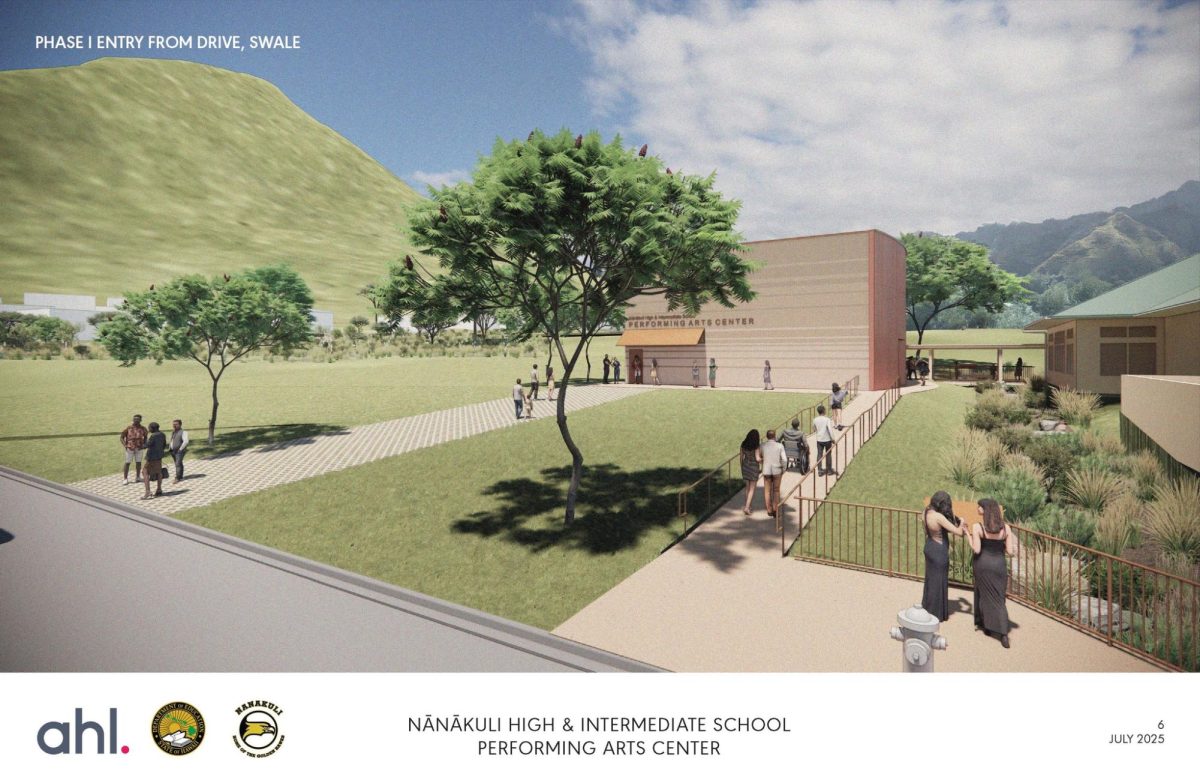
To perform is to express yourself and others through the beauty of music, dance, and acting – now Nānākuli High and Intermediate School has a second home for this art in the upcoming Performing Arts Center Phase 1 building.
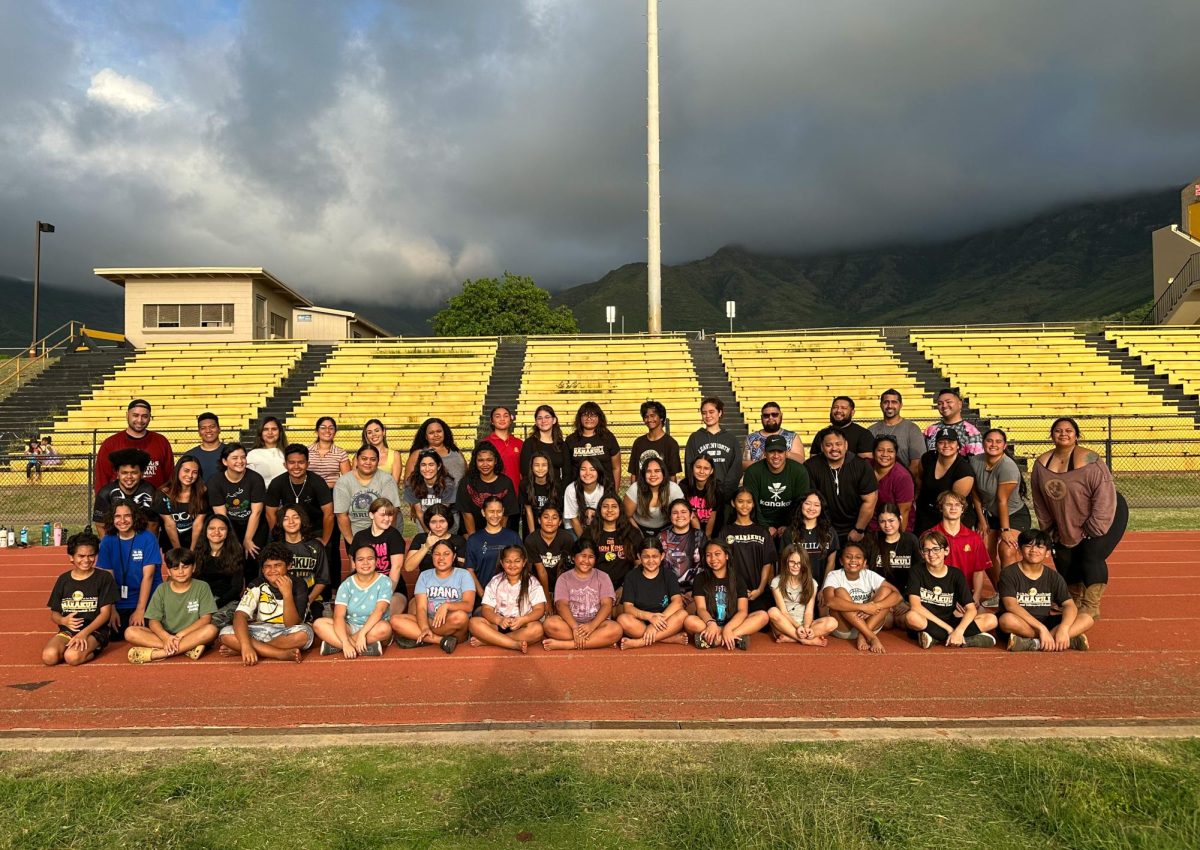
“It’s amazing to think that we began as a club with six students and practicing outdoors, now has grown into a program averaging about 40 students a year from schools all over the island and is now getting its own building,” said NPAC Co-Director Robin Kitsu.
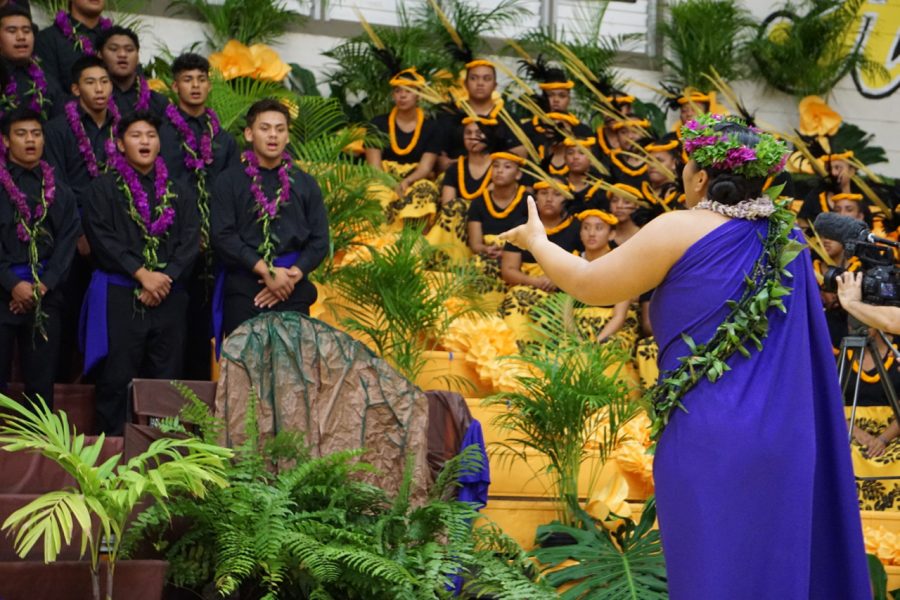
The Nānākuli High and Intermediate School Drama Club began in 1991 in the B-Building courtyard stage. In the late 90s, the Drama Club became the Nānākuli High and Intermediate School Performing Arts Center (NPAC), transitioning from a club to one of few state learning centers across Hawaii.
“Becoming a learning center meant credibility in the program, as well as financial and personnel support,” said Robin Kitsu. “As the state provided funding as well as a half-time coordinator position to the school.”
In 1996, the Multi-Purpose Building (Cafeteria) opened, leading NPAC to move into there for their practice and performance spaces.
“We were honored to be the first group to perform in the MPB, and since that time, it has become our home almost daily,” said Robin Kitsu.
NPAC has long dreamed of an auditorium since the 90’s. Former Principal Bruce Naguwa provided the funding to have NPAC perform in an auditorium for the first time. After that experience, they dreamed of having their own auditorium.
“Principal Bruce Naguwa believed in the NPAC students so much that he wanted students to be able to perform in an auditorium setting to showcase their talents and provided the funding for NPAC to secure a venue,” said Robin Kitsu. “Since that time, we have been able to perform one show in an auditorium every year.”
NPAC Co-Director Chloe Kitsu added, “To be able to perform in an auditorium makes a world of difference for our NPAC students. The acoustics are different, and it makes the students feel like professionals.”
With the Performing Arts Center Auditorium, NPAC can overcome some mishaps from practicing and performing in the MPB.
“The spacial space itself plus all the tables and the students have backpacks and they have to put it somewhere, so all the space is being taken up and it’s quite a hassle to move the tables every practice,” said four-year NPAC veteran Lia Kekawa.
Chloe Kitsu added, “We love the MPB, but it does come with itʻs challenges. There’s no air conditioning, so windows need to stay open, which lets outside noise in during rehearsals and shows. Every show and rehearsal, everything needs to be broken down and put away.”
The Performing Arts Center Auditorium is broken up into two phases. Phase one is a rehearsal studio, along with being a black box theater. Phase two is the rest of the auditorium and main stage.
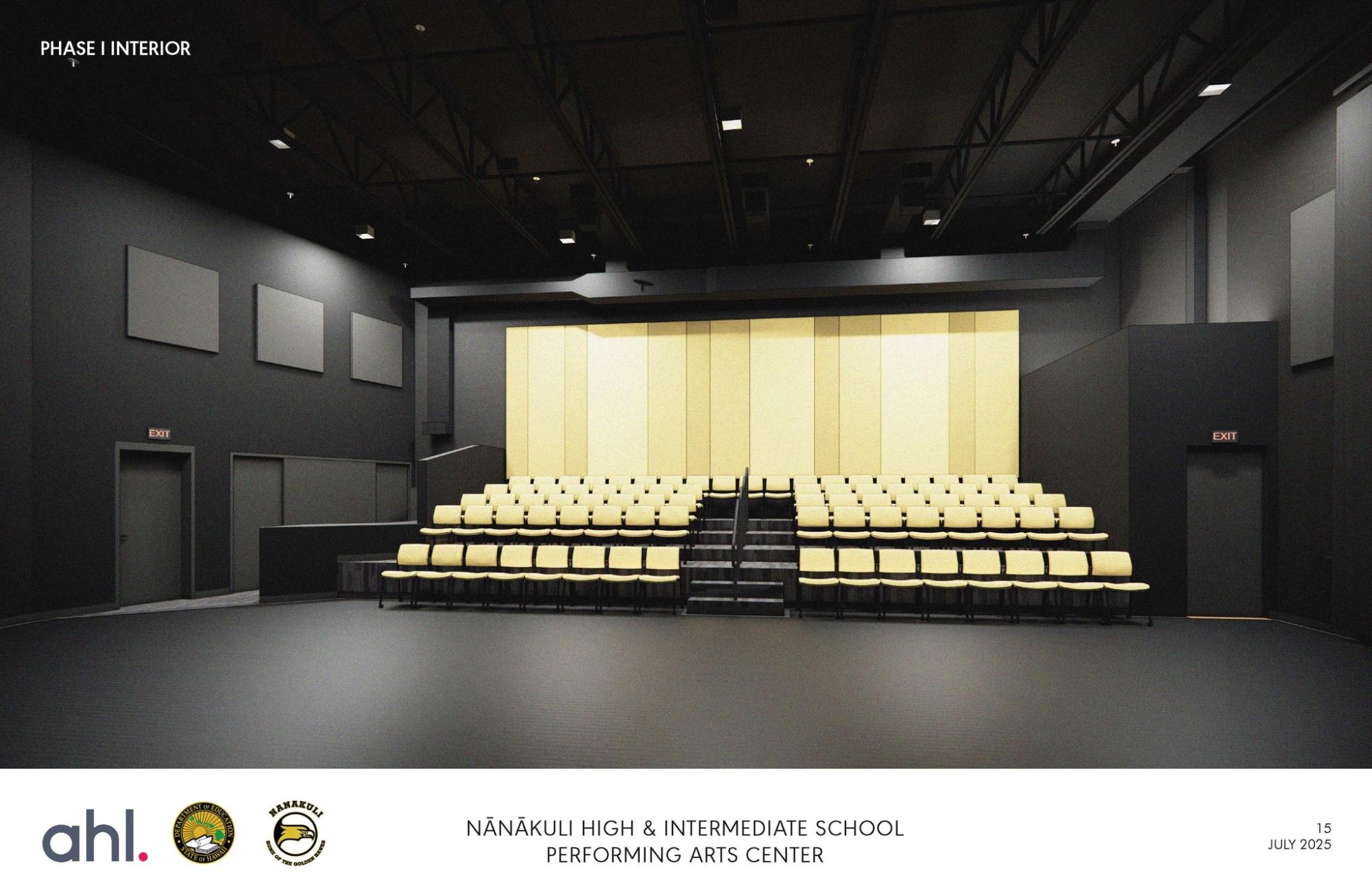
“This is a dream start for NPAC students and staff. We will be able to present our dramatic plays in this Mini Theatre and hold our rehearsals in a space that meets the needs of our program,” said Robin Kitsu
Phase one is projected to break ground sometime between September and December 2026 and has 78 seats, acoustic walls, restrooms for the cast, and wall mirrors for students to see themselves as they work on choreography.
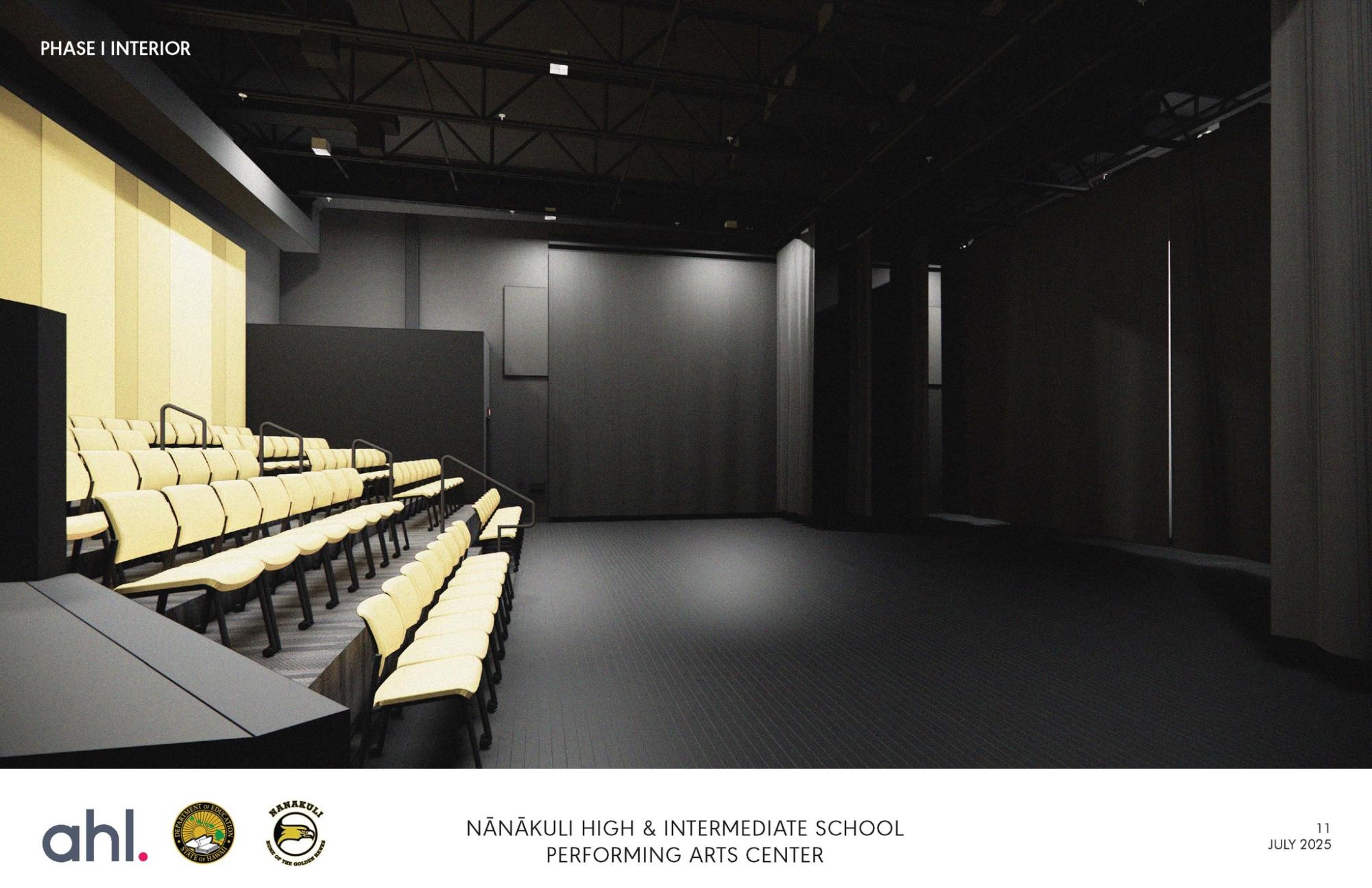
“Phase one will allow NPAC to have their own dedicated rehearsal space made for dance, acting, and vocals. It is also a mini theater that will allow us to hold small productions with full lighting and sound,” said Robin Kitsu.
As for Phase two, the progress of that is up in the air due to funding.
“The estimated cost to build phase two, the auditorium, is approximately $30 million. We hope funding can be released in the future for the phase two 500-seat auditorium building,” said Robin Kitsu.
Chloe Kitsu added, “The dream is for the Performing Arts Center Auditorium to be a performance space not only for NPAC, but the entire Leeward Coast. We envision groups being able to hold performances here and hopefully training students to help run tech for these events.”
With decades of growth, dedication, and dreaming behind it, the new Performing Arts Center Auditorium represents a major milestone for NPAC and a promising future for generations of performers to come.